With eyes being the focal point of the face, lashes help to frame and enhance their beauty. Unfortunately, natural lashes can become damaged or thin and sparse for a range of reasons.
“There are many factors that can lead to less-than-lustrous lashes,” says Claire Larsen, global master educator, RevitaLash Cosmetics. “We are exposed to daily environmental factors such as free radicals, which can damage the cells of our body, including in the lashes. We don’t always maintain a perfect diet of nutritious vitamins and minerals, which can also affect lashes.”
“The natural ageing process, hormonal changes, such as menopause or thyroid issues, as well as stress and poor diet, all play a role in lash health,” says Jolanta Boruszek, owner of Cork-based Egoist Beauty, which runs a training academy. “Daily habits also matter. For instance, frequent rubbing of the eyes and the use of low-quality cosmetics can all negatively impact lashes, as can pollution and sun exposure.”
“Thinning lashes can also result from improper lash extension application, poor make-up removal habits, harsh removal products and incorrect use of eyelash curlers,” adds Karen Betts, SPMU expert and founder of Nouveau HD Beauty Group.
While lash treatments are more popular than ever, if they are done incorrectly or too often, they can also lead to the natural lash becoming damaged.
“Over-processing the lashes with the chemicals used in services such as lash lifts or lash tinting can damage lashes, often making them weak and brittle,” explains Larsen. “While these types of services can create damage, they do not necessarily cause the lashes to become thin.”
“Our lashes are more delicate than many people realise, and a whole range of factors can contribute to thinning, including lack of sleep,” says Rachel Smyth, owner of RS Beauty Dublin, which has a salon and academy in Artane.
“Lash health is closely tied to our overall wellbeing – it is an all-encompassing picture, from what’s happening inside our bodies to what we’re doing on a day-to-day basis.”
Conditions such as alopecia, lupus and certain autoimmune diseases can also lead to thinning lashes or complete lash loss. And with hair loss being a common side of effect of chemotherapy treatment, this can affect lashes too.
It’s important to remember that results from lash serums depend on consistency and patience – there is usually a noticeable improvement after several weeks of regular use
Serum savers
Of course lash treatments shouldn’t cause damage when done correctly, therefore a thorough consultation is paramount and key to keeping your clients’ lashes healthy. This will also give you the opportunity to discuss any issues with them.
“Genetics and hormonal fluctuations are more likely to cause the lash follicle to become thinner,” says Larsen. “But if you’re noticing that your client’s lash hairs look less dense, you may want to advise them to visit their medical professional so that they can help them to determine the root cause.”
To promote good lash health, Betts recommends gentle cleansing, avoiding mechanical damage, and encouraging a healthy diet rich in biotin and vitamins. She also advises using a nourishing lash serum.
Lash serums have become increasingly popular in recent years due to their ability to help clients grow full, strong and long lashes. Many lash serums contain prostaglandins, a group of lipids that includes isopropyl cloprostenate. Prostaglandins were originally used for the treatment of glaucoma, but a surprising side effect was the growth of long, thick lashes.
“Lash serums can be a game changer, but it’s all about the ingredients,” says Smyth. “They should contain nourishing and strengthening components, such as peptides to support the hair growth cycle; biotin/vitamin B7 to promote healthy hair follicles; panthenol/ pro-vitamin B5 for hydration and elasticity; and amino acids to help rebuild damaged lashes.”
“Other key ingredients to look for are plant extracts, such as green tea and ginseng to improve circulation and provide antioxidants; and hyaluronic acid to hydrate and protect against brittleness,” says Boruszek. “It’s important to remember that results from lash serums depend on consistency and patience – there is usually a noticeable improvement after several weeks of regular use.”
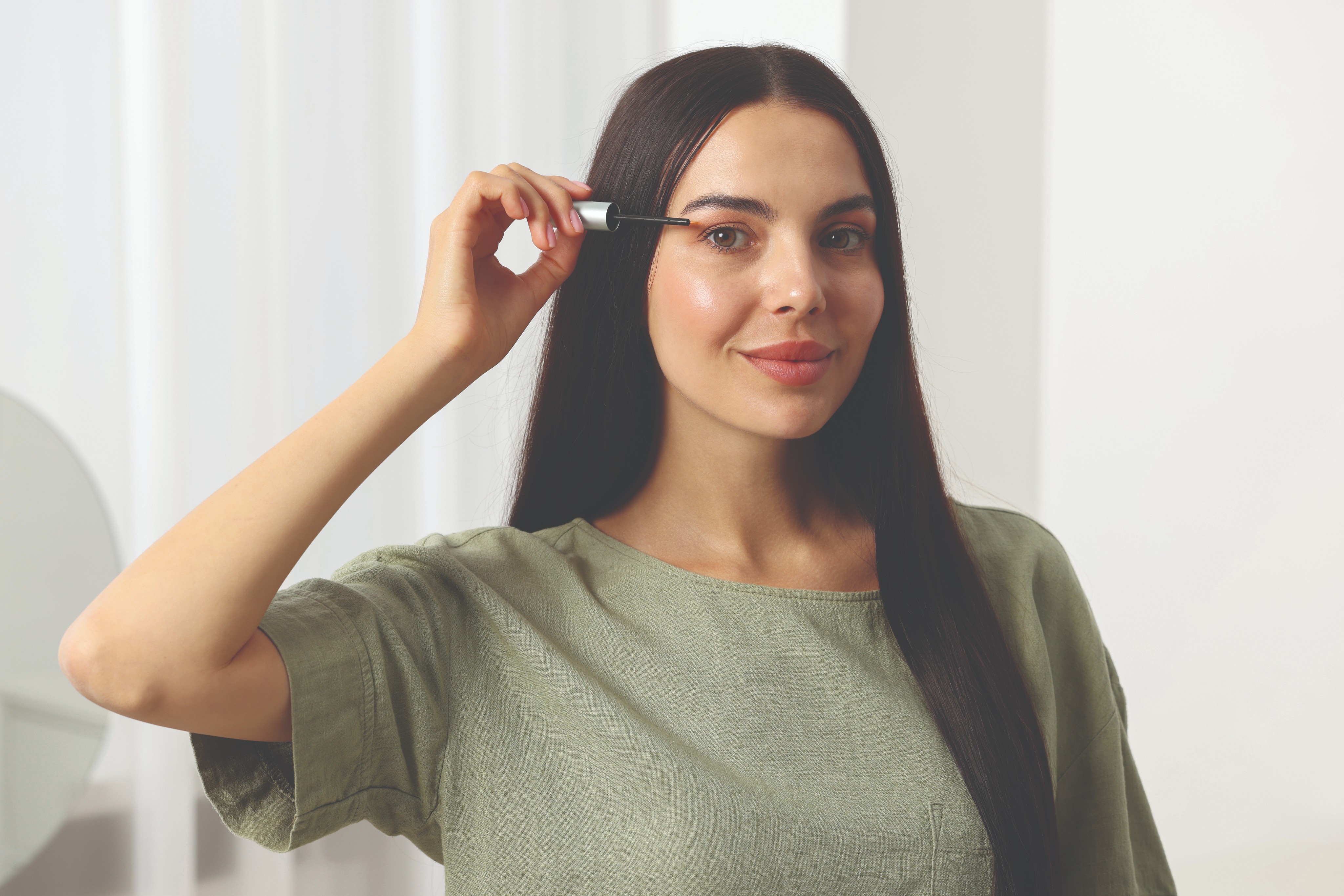
In order to reduce the potential for irritation, Larsen recommends applying just a thin line of lash serum on clean, dry upper eyelashes above the lash line, once each day or night. “After that, you should advise clients to allow it to dry completely, before applying additional beauty products,” she adds. “Overall, just keep in mind that a little goes a long way and over-applying is not necessary, and not recommended.”
Proper sleep, stress reduction and overall wellness are also essential for strong, healthy lashes – just as they are for healthy hair and skin
Healthy habits
As well as using serums, everyday habits are key to maintaining healthy lashes, stresses Boruszek. “Advise clients to use gentle make-up removal products, preferably with micellar water or a special eye cleanser; avoid rubbing or pulling the lashes; use lightweight mascaras that do not weigh down the lashes; and maintain a diet rich in protein, B vitamins, zinc and omega-3 fatty acids; and take breaks from lash extensions and lifts to allow natural lashes to recover. Proper sleep, stress reduction and overall wellness are also essential for strong, healthy lashes – just as they are for healthy hair and skin.”
Smyth also suggests using natural oils for long-term results. “We always recommend castor oil and vitamin E oil to our clients. Castor oil is the best natural oil to promote hair growth, and vitamin E oil repairs damaged follicles. Both of these oils are extremely affordable, and you only need to use a pea-sized amount each night before bed and gently massage it into the lash line. You can alternate the oils every other night.”
“It’s also a good idea to sleep on a silk pillowcase as it reduces friction and helps prevent lash fall. And regular lash health check-ins with a trusted lash professional can make a big difference. Prevention is always better than cure.”
Emotional impact
Clients experiencing thinning lashes often benefit from psychological support, as well as practical advice. “While not every client may need it, being empathetic and simply listening to their concerns is very important,” says Boruszek. “Sometimes it is enough to have a genuine conversation with them, offering reassurance and providing clear, practical advice on how to improve lash health. This holistic approach helps the client feel cared for both emotionally and aesthetically.”
“Lashes are part of many clients’ identity, and when they start to thin or fall out, it can really knock their confidence, especially if it’s sudden or linked to a health issue,” says Smyth. “Just like with scalp hair loss, it can feel like losing a little piece of themselves.”
“As lash artists and educators, we’re often in a trusted position with our clients. While we’re not therapists, offering a listening ear, reassurance and a safe space can make a big difference. Sometimes just acknowledging how someone feels about their lash loss is enough to help them feel seen.
“Pairing that emotional support with solid, practical advice on how to repair and strengthen their lashes can give them hope and a sense of control. It’s our duty and responsibility to help them the best way we can, and with complete honesty. It’s all about empowering them with kindness and knowledge.”
This article was published in the November/December 2025 issue of PB/HJ Ireland.